
How deep is the threat of Walmart One banking services to traditional banking?
Through the acquisitions of Even and One Finance, Walmart is testing a banking platform called One. Experts point out that Walmart, without customer acquisition costs, leveraging its brand and store network, could pose a significant challenge to traditional banks and emerging digital banks.
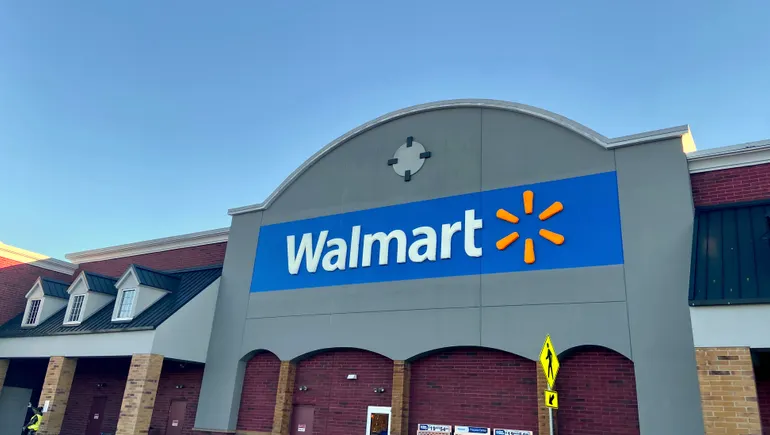
Walmart's plan to offer banking services to its 1.6 million U.S. employees and more than 100 million weekly customers should make bankers uneasy, said David Donovan, executive vice president of Americas financial services at digital consultancy Publicis Sapient.
Over the past few years, the retail giant has repeatedlyhintedat launching financial services products, sparking widespread speculation about the depth and scale of its ambitions.
In January, Walmart further disclosed related plans,announcingthe acquisition of earned wage access company Even Responsible Finance and neobank One Finance—the latter in partnership with Coastal Community Bank in Everett, Washington.
Currently, Walmart is internally testing a banking platform called "One" with its employees and plans to eventually open the service to customers.
However, as it moves toward broader rollout, Walmart may already hold a key advantage over its competitors.
"They don't need to acquire customers because they already have them," said Donovan, whose company helped build Goldman Sachs' consumer bank Marcus. "They just need to launch the service and make it extremely easy to use. It's like 'build it and they will come.'"
According toOliver Wyman research, the cost of acquiring a banking customer typically ranges from $100 to $200.
"Customer acquisition costs are high. When you're not a well-known brand, acquiring new customers is expensive," Donovan said.
For a household name like Walmart with a physical store network, its customer acquisition costs are unclear, but Donovan believes the retailer may only need to launch a simple, easy-to-use product to succeed in banking.
"Think about the emerging Gen Z demographic—they don't have the strong brand loyalty to banks that previous generations had," Donovan said. "What they care about most is a frictionless experience with the banking brand they choose—no fees, no minimum balances, high yields, and an easy account opening process."
But these features are not unique. Neobanks have long offered accounts with no minimum balances or overdraft fees.
Walmart's advantage may lie in its scale. The retailer has more than 4,700 stores in the U.S., and 90% of the American population lives within a 10-minute drive of a store,according to Forbes。
In theory, Walmart already has the brand recognition and scale to develop its platform into a formidable competitor to other neobanks and traditional institutions targeting the same demographic.
"Banks have excellent technology and can create good experiences, but they haven't done well at scaling," Donovan said. "Walmart already has scale because they have a massive user base through the Walmart brand. Now they're just layering on another service."
Focus on Walmart
This is not Walmart's first foray into financial services. In 2005, the company attempted to obtain a banking charter through an industrial loan company (ILC) charter—a move that drew widespread opposition from the banking industry.
Two years later, Walmartwithdrew its charter application。
Last year, the company partnered with venture capital firm Ribbit Capital toannouncinglaunch a fintech startup, reigniting its financial services ambitions.
"Alarms go off when you mention Walmart and banking together," banking consultant Bert Ely said last yearin an interview with Bloomberg。
Walmart alsohired Marcus CEO Omer Ismailand head of large partnerships David Stark to lead the new venture.
Although initial details about the retailer's financial services ambitions were scarce, industry observers quickly speculated that a "super app" or "neobank" was in the works—after Walmart said the joint venture would combine its retail knowledge and scale with Ribbit's fintech expertise to "deliver tech-driven financial experiences for Walmart's customers and associates."
Walmart CEO Doug McMillon at an investor conference in February 2021followed up, saying the project would help the company "serve customers faster in a differentiated way."
A patent application in April 2021 provided more clues, listing standard financial services such as credit card, debit card, and prepaid card payment processing services, electronic funds transfers, credit and credit line issuance, and bill payment services.
Then in January, Walmart's acquisitions of Even Responsible Finance and One Finance further solidified its expansion plans beyond its core business.
As a result of these deals, the fintech joint venture dropped the name Hazel and was renamed One. Financial terms were not disclosed.
Is this what customers want?
Customers may want easy-to-use and simple banking services, but are they willing to go to Walmart for them?
Walmart's existing bank-related services show that customers are already accustomed to purchasing certain financial products from the company.
Walmart partners withGreen Dotto offer prepaid debit cards and with payment companyAffirmto offer installment payment options.
Customers can also cash checks and send money internationally at its MoneyCenters.
But customers have told the retailer they want more banking-like services under the Walmart brand, said John Furner, president and CEO of Walmart U.S.
"Customers have made it clear they want more from us in financial services," Furner said in Januaryin a statement. "Creating a simple, personalized app that lets users manage their money in one place is a natural next step to meet that need."
Consumers are willing to consider bank accounts offered by retailers, said Paul McAdam, senior director of banking and payments intelligence at J.D. Power.
"Bank accounts have become commoditized and are no longer the exclusive domain of traditional banks and credit unions," McAdam said, adding that Walmart is likely to succeed in online banking.
"Today, 27% of U.S. banking customers use online-only banks or neobanks," he said. "As our lives increasingly shift to digital service providers, online-only banking providers have gained market share and mindshare by offering 24/7 access, personalization through helping customers reduce bank fees and grow their money."
"There's no reason to believe Walmart won't figure out a way to effectively compete in this market," McAdam said.
As Walmart moves deeper into financial services, the company joins a growing list of non-bank institutions reshaping the banking landscape, Donovan said.
"When (JPMorgan Chase CEO) Jamie Dimon looked out the window five years ago, he was probably thinking 'What are Goldman Sachs, Bank of America, and Morgan Stanley doing?'" Donovan said. "Fast forward to today, that's just one group of competitors he needs to worry about... Now he needs to worry about Apple, Walmart, fintechs, neobanks—just about everyone, because ultimately, any company can become a financial services company in some form."