
Opinion

Global Perspectives: Four Tips for Payment Success
Based on discussions and panel sessions during the fall conference season, this article highlights four key points in the payment industry: merchants need to keep up with payment innovation, cross-border payment friction can hinder growth, choosing the right payment processing path can save costs, and staying informed maintains competitiveness. These recommendations aim to help all parties in the payment ecosystem succeed in 2020.
银行牌照申请激增内幕:OCC掌门人如何重塑特许经营体系
2025年,美国货币监理署(OCC)收到18份银行特许牌照申请,追平此前四年总和,创2008年以来最高纪录。OCC负责人Jonathan Gould称此为“回归常态”,但历史数据显示1990-2008年间申请量至少为当前两倍。面对激增需求,Gould通过重组特许部门、建立监管人员轮岗机制等举措,试图在风险容忍度下降的背景下重建银行准入通道。

6 lessons from my journey to the CFO seat
Hope Dmuchowski, CFO and Senior Executive Vice President of First Horizon Bank, reflects in a guest article on six lessons from her career in the financial services industry: seeking mentorship, proactively choosing a positive mindset, being the best-prepared person in the room, viewing challenges as a path to growth, valuing the power of kindness, and never ceasing to learn. The article particularly highlights her team's response to the unexpected termination of the TD Bank merger, when they redeveloped their strategy and hosted an Investor Day within 30 days.

Third-party compliance certification can get cannabis cash safely into banks
Hundreds of billions of dollars in cash generated by legal cannabis retail in U.S. states have long remained outside the federal banking system, posing public safety and regulatory challenges. The author notes that even if Congress passes the SAFE Banking Act and subsequent regulations, the issue of repatriating legacy cash remains inadequately addressed. The article suggests that federal regulators adopt a third-party certification model from the medical field, leveraging existing cannabis security and legal firms to establish a compliance certification mechanism recognized by the Treasury Department, which verifies the source and ownership of cash, thereby enabling safe entry of funds into the banking system under the current anti-money laundering framework.
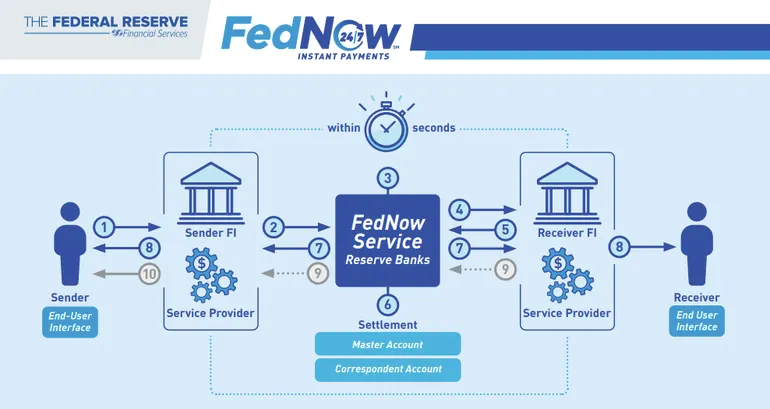
FedNow may stumble without nonbanks, cross-border payments
As the Federal Reserve prepares to launch FedNow in summer 2023, policy expert Rina Wulfing cautions that excluding nonbanks and cross-border payments from the system could jeopardize its effectiveness. She highlights the importance of inclusive access and international transaction capabilities for the future of U.S. payments.

Banks and fintechs don't need to fight
In the past few years, fintech was seen as a threat to the banking industry, but now the two sides are increasingly moving toward cooperation. In 2021, fintech investment reached $130 billion, and the digital payments market was valued at over $1.2 trillion. Banks have customer relationships and brands, while fintech provides innovative technology, and cooperation can create greater value. Software-integrated payments have become a key area, and cooperation between banks and fintech will drive future financial innovation.
3 ways banking and finance could blur in 2022
The traditional distinction between banking and finance is facing challenges: central bank digital currencies redefine the concept of "accounts," open finance goes beyond the scope of open banking, and buy now, pay later services continue to penetrate banks' core businesses. These trends will deepen in 2022, driving a reshaping of the industry landscape.

Regulation by enforcement isn't serving CFPB, consumers or banks
Richard Hunt, Chairman of the Consumer Bankers Association, writes that the CFPB's use of enforcement actions instead of formal rulemaking leads to regulatory uncertainty, harming consumers and banks, and calls on new Director Rohit Chopra to return to transparent rulemaking procedures.

Is finance ready for the super-app revolution?
Kathryn Petralia, co-founder of Kabbage, an American Express company, points out that in 2021, nearly one-third of small businesses switched financial service providers, primarily for convenience. The article explores the development history, advantages, and potential risks of financial super apps, arguing that companies capable of offering one-stop integrated services will continue to attract customers.

Fintechs are friends, not foes, of traditional financial institutions
Facing the continued penetration of fintech companies into consumer financial activities, traditional financial institutions should not view them as adversaries. There is significant room for complementarity between the two in capital diversification, account management tools, and lending solutions. Data shows that about one-third of Americans have used non-bank financial services, and among millennials, this proportion reaches 47%. Through deep cooperation under a compliance framework, such as jointly developing credit models or purchasing loan portfolios, traditional institutions can effectively expand their business boundaries and manage risks.